

Cost of Living in Kissimmee, Florida: A 2026 Renter's Breakdown
Before you sign a lease in Kissimmee, the real question is not the sticker rent on one listing. It is the whole monthly picture: rent, utilities, insurance, groceries, and the commute that quietly eats your paycheck. Get that wrong and a place that looked affordable becomes a stretch by month three. Stillwater Lakes sits on the water at 2175 Easton Loop, and this guide uses it as an anchor to break down what living in Kissimmee actually costs in 2026.
Kissimmee is a southern suburb of Orlando in Osceola County, wired into US-192, Florida's Turnpike, and the Osceola Parkway. That location shapes the budget as much as the rent does, because a short commute is money you keep. Here is the full breakdown.
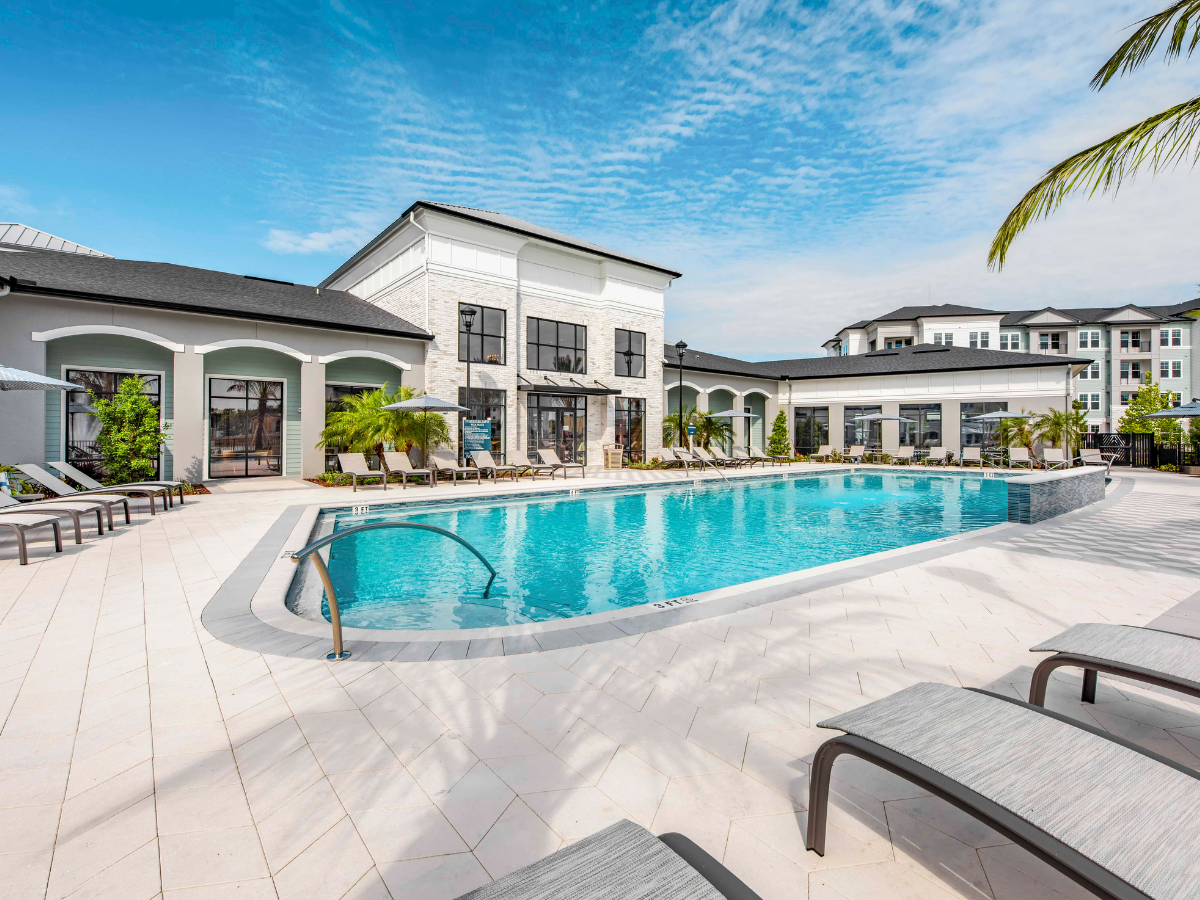
Grand clubhouse at Stillwater Lakes, new apartments and townhomes in Kissimmee, Florida.
What Rent Costs in Kissimmee in 2026
As of 2026, the average apartment rent in Kissimmee runs near $1,800 a month. One bedroom apartments average around $1,570, two bedrooms near $1,930, and three bedroom homes and townhomes near $2,350, depending on age and location. The market has softened slightly year over year, which gives renters a little more room to negotiate than in recent years.
Newer construction prices toward the top of those ranges, and that premium reflects build quality, in-unit laundry, resort amenities, and location rather than empty markup. What you are really pricing is the difference between an older garden unit and a quiet, modern home.
No State Income Tax, and What That Means
The biggest budget advantage in Kissimmee is not a discount, it is a tax you do not pay. Florida charges no state income tax, so more of every paycheck stays with you than it would in most states. For a renter moving from a higher-tax state, that difference can offset a meaningful share of the rent. It is one of the main reasons Central Florida keeps drawing new residents.
Utilities, Insurance, and Everyday Costs
Beyond rent, budget for electricity, water, sewer, trash, internet, and renter's insurance. Air conditioning runs most of the year in Central Florida, so electricity is the utility to watch, and energy-efficient newer homes tend to keep those bills lower. Renter's insurance is inexpensive and worth carrying. Groceries and services in Kissimmee price close to the Orlando metro average, so the savings you find here come mostly from rent, taxes, and the commute rather than a cheaper cart at the store.
The Neighborhoods Compared
Prices shift by area. The newer east side near Partin Settlement Road and Lake Nona carries much of the recent construction and prices at the higher, amenity-rich end. The US-192 resort corridor runs a wide range depending on age. Downtown and the Lake Toho lakefront mix older stock with newer infill. For a full comparison of who each area suits, read our guide to the best neighborhoods in Kissimmee. [LINK LATER to the best-neighborhoods post]
What Your Rent Buys in a Newer Community
At the newer end of the market, Stillwater Lakes offers luxury apartments and move-in-ready townhomes in a pet-friendly, waterfront community. Expect modern finishes, spacious layouts, and resort-style amenities including a grand clubhouse, a resort pool, a 24-hour fitness center, and a dog park with a pet wash.
Current pricing and any active special vary by home and season, so confirm live rates on the floor planspage before you compare.
Budgeting for a Move to Kissimmee
A common rule is to keep rent near or under 30 percent of gross income, and many Kissimmee communities look for household income around 2.5 to 3 times the monthly rent. Plan also for a deposit, any pet fees, renter's insurance, and the first utility setups. If a townhome is on your list, the layout math changes, and our guide to townhomes for rent in Kissimmee walks through the space-per-dollar tradeoff. [LINK LATER to the townhomes post]
Is Kissimmee Affordable for Renters?
Kissimmee is not the cheapest corner of Central Florida, and it does not try to be. What it offers is a fair rent for newer space, no state income tax, and a location minutes from both the theme park economy and the Lake Nona jobs. For renters who value their time and want a modern home without an Orlando price, the math works. Start by matching your budget to the right neighborhood, then to the right home.
See current apartments and townhomes on the floor plans page and the full community amenities at Stillwater Lakes, plan around the official City of Kissimmee resources, and when a home fits, schedule a tour.
FAQ
What is the cost of living in Kissimmee, Florida in 2026?
In 2026 the average apartment rent in Kissimmee is near $1,800 a month, with one bedrooms around $1,570 and two bedrooms near $1,930. Florida charges no state income tax, which lowers the overall cost of living, though air conditioning keeps electricity bills higher year-round. Groceries and services price close to the Orlando metro average.
How much is rent in Kissimmee, Florida?
As of 2026, one bedroom apartments in Kissimmee average around $1,570 and two bedrooms near $1,930, with three bedroom homes and townhomes near $2,350 and a citywide average near $1,800. Newer communities like Stillwater Lakes price toward the higher end for the added space, amenities, and location.
Does Florida have a state income tax?
No. Florida charges no state income tax, so renters in Kissimmee keep more of their paycheck than they would in most states. That is one of the largest cost-of-living advantages of moving to Central Florida.
Are utilities expensive in Kissimmee?
Electricity is the utility to watch in Kissimmee because air conditioning runs most of the year in Central Florida. Energy-efficient newer homes help keep those bills down. Water, sewer, trash, internet, and inexpensive renter's insurance round out a typical monthly budget.
How much income do I need to rent an apartment in Kissimmee?
A common guideline is to keep rent near or under 30 percent of gross income, and many Kissimmee communities look for household income around 2.5 to 3 times the monthly rent. On a $1,800 rent that points to roughly $4,500 to $5,400 in monthly income, though requirements vary by community.